Homeport: a place for Codex to keep working
A private Python and Pydantic workspace for starting Codex tasks, leaving them running on a Mac mini, and returning to the same conversation.
Exploring cities, coding recipes, and documenting the journey
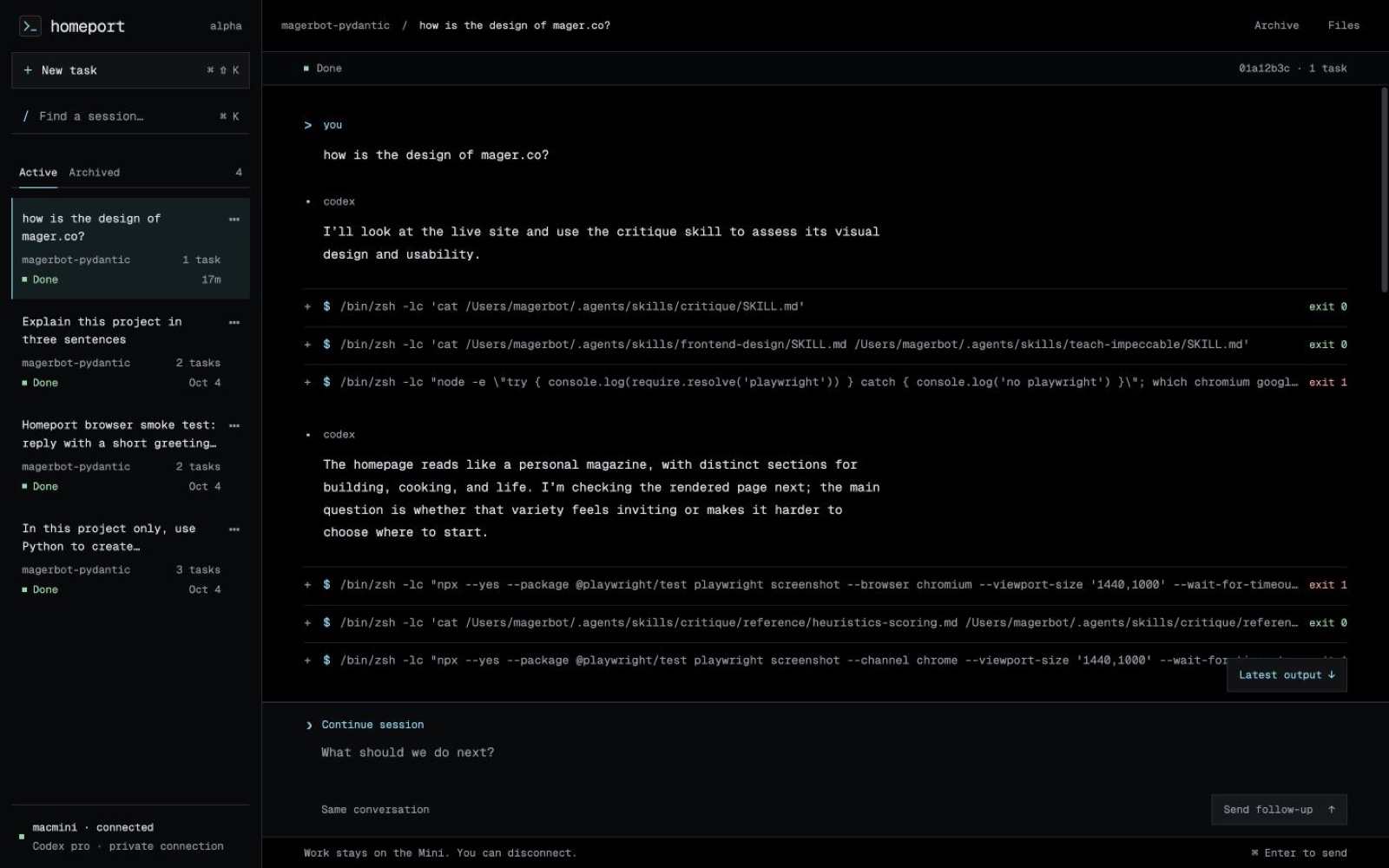
A private Python and Pydantic workspace for starting Codex tasks, leaving them running on a Mac mini, and returning to the same conversation.
A first fine-tuning experiment for software engineers: teach a small model to label issues, compare it with the original, and learn from the mistakes.
One of my favorite plugins turns design direction into something I can ask for by name. Exploring its skills, browser tools, and static analyzer made me want to help build it.
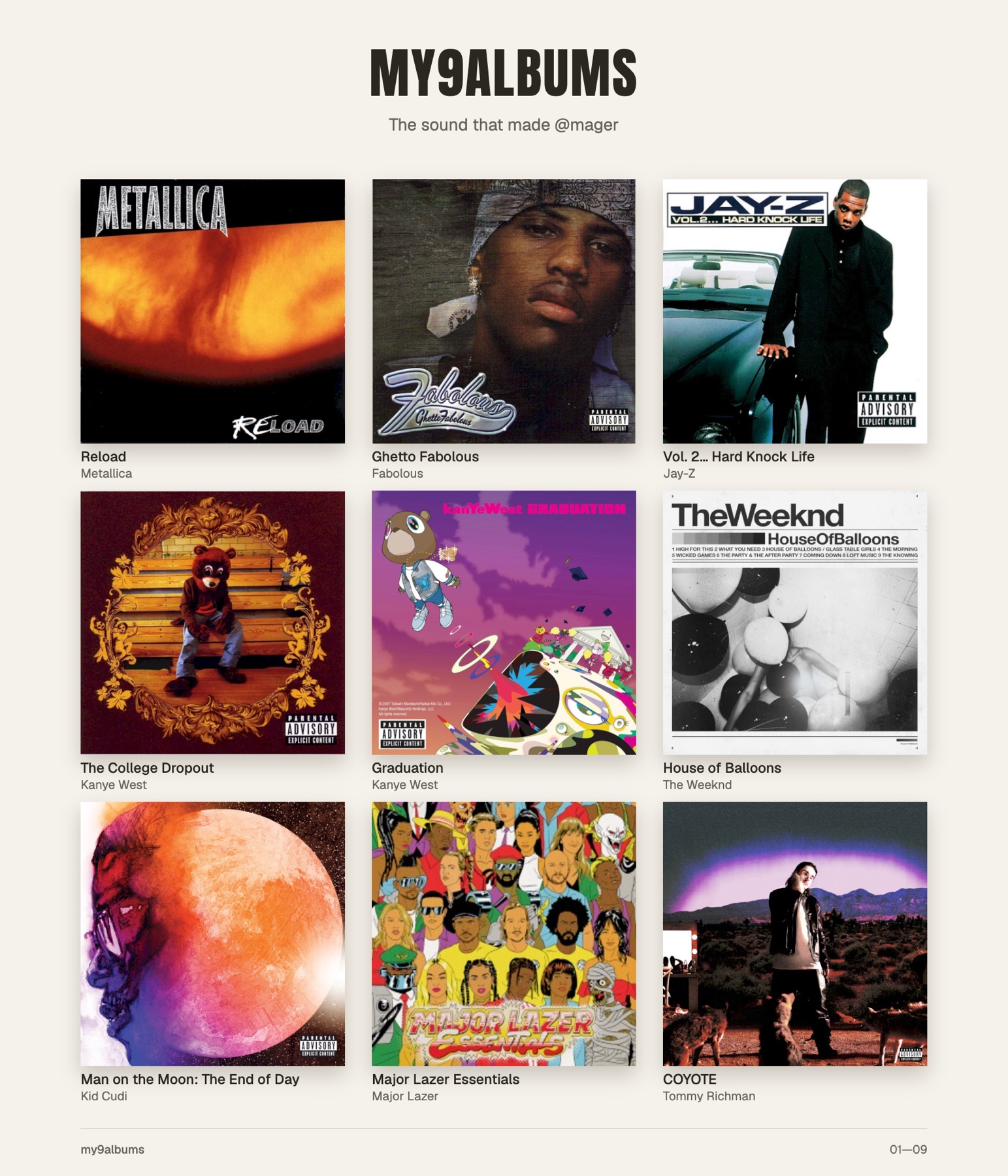
Nine albums, from Fabolous in the golf ball picker cart and Jay-Z in my first car to The Weeknd on repeat in NYC.
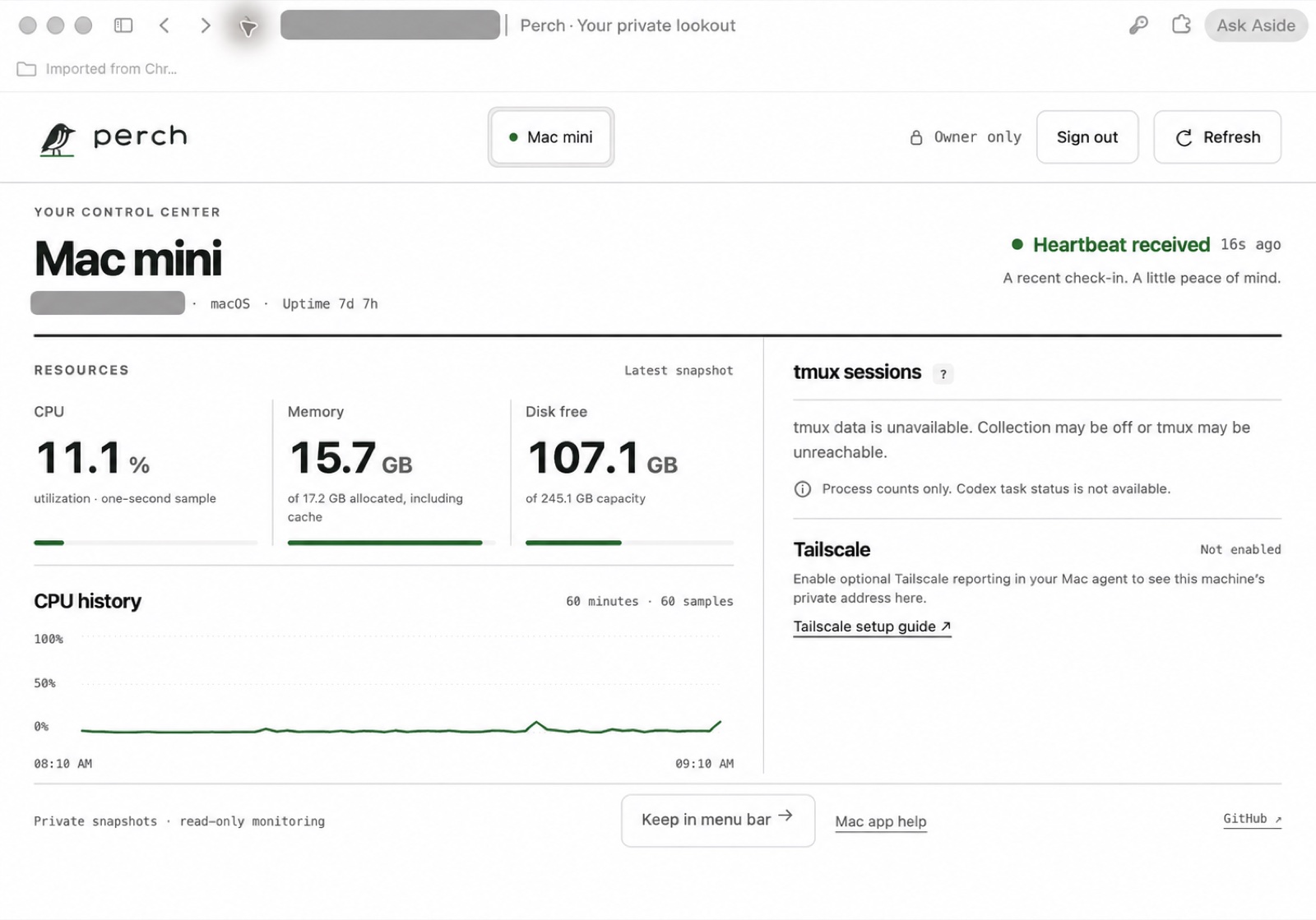
A bird in the menu bar, a real heartbeat from my Mini, and one screen for the things I want to check. A running build log for my open-source, self-hosted Mac dashboard.
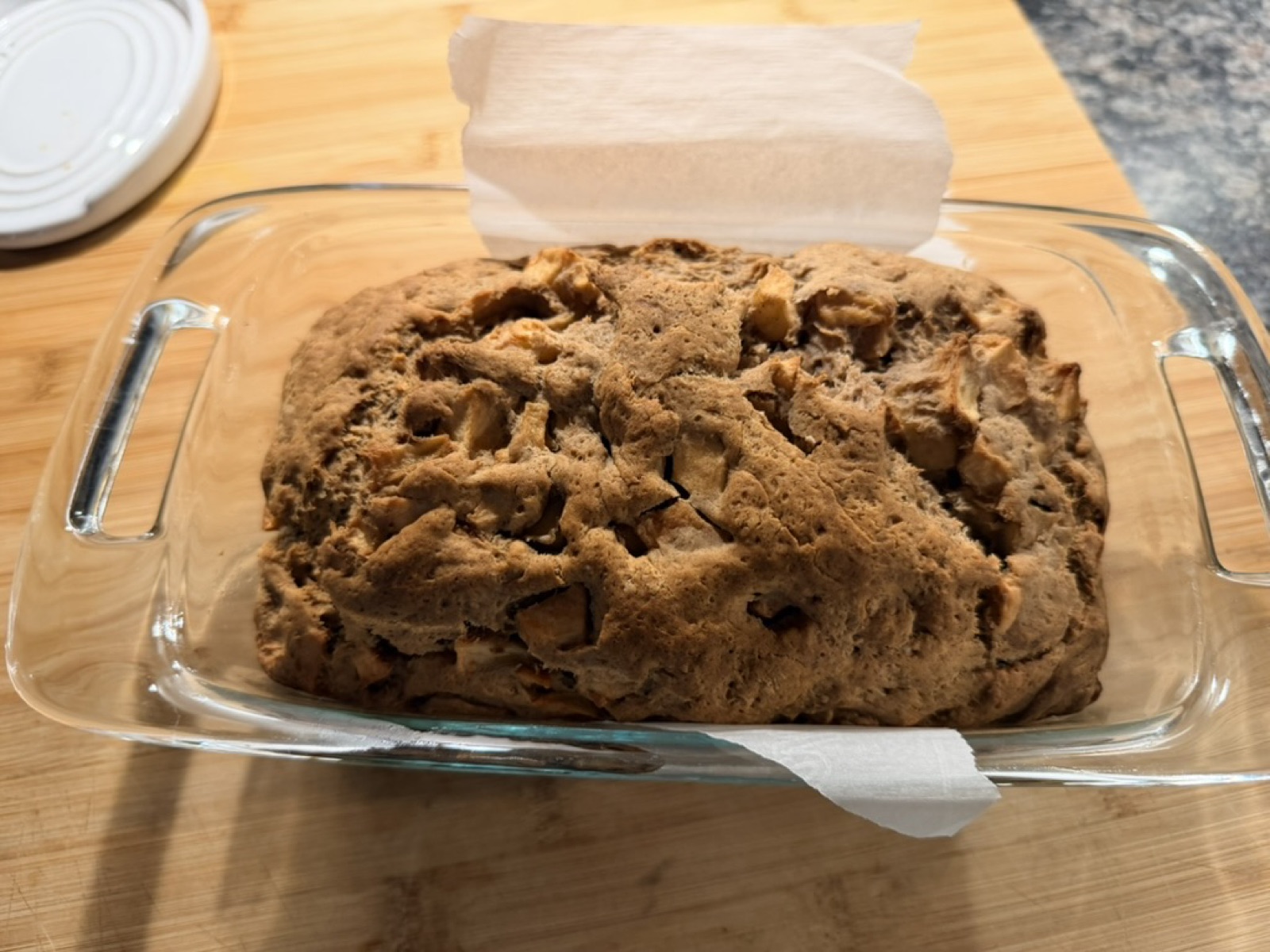
A buttery yogurt loaf with sautéed apples and a crisp cinnamon-sugar top.
Mood Shell is my small Rust prompt toolkit, with live color previews, Zsh history suggestions, Git shortcuts, and a gallery where you can make and share Markdown themes.
Returning to Rust after one Advent of Code puzzle, then building a small reward API and connecting it to prxps through SvelteKit.
Counterexample Lab replaces easy implementation tasks with compact regression tests. First calibration: Astra catches 7/8 faults; Sol catches 5–7/8 across three attempts each.
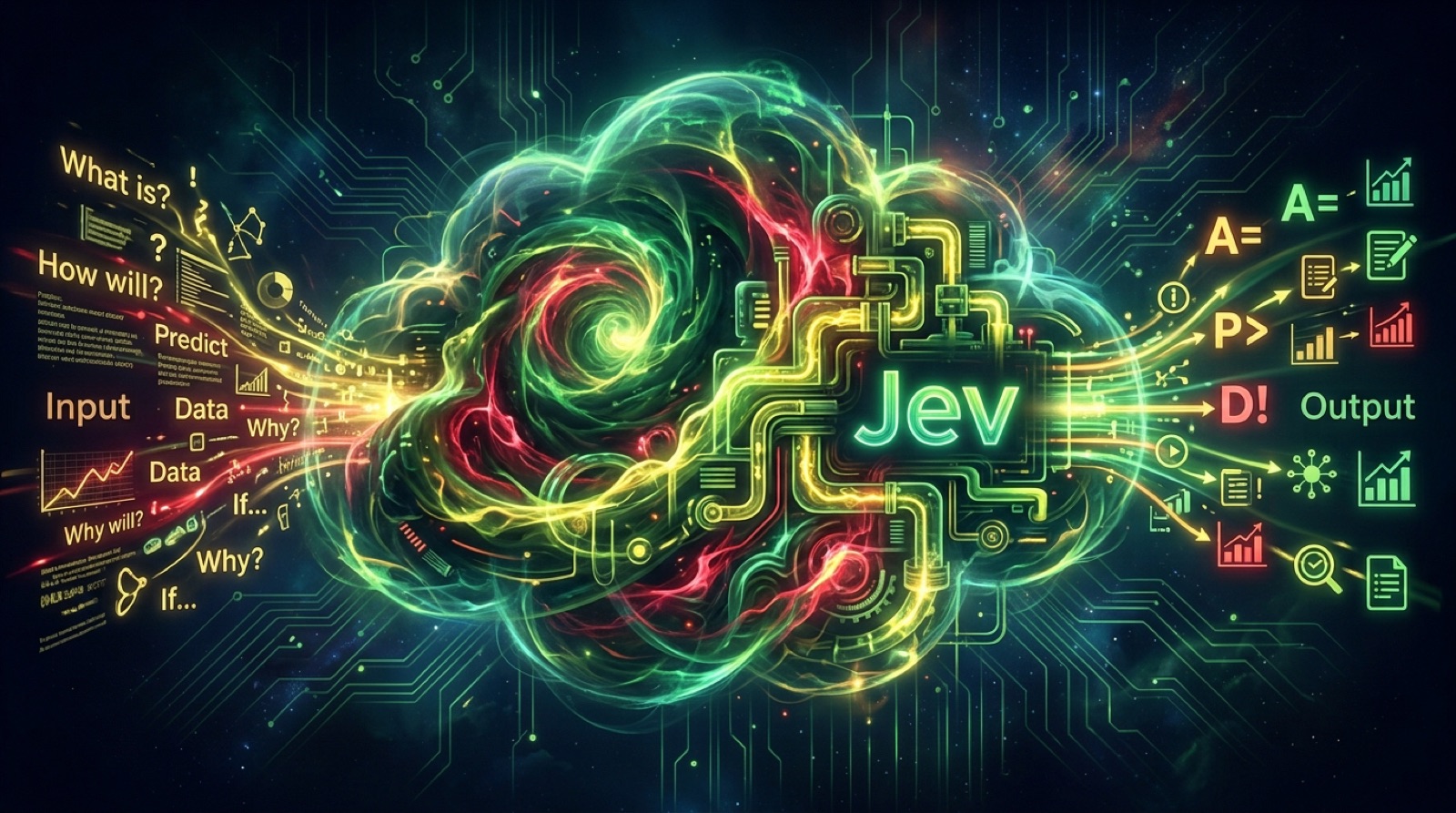
Testing TypeSafe's Jev through Vercel AI Gateway, putting it inside a decision-heavy skill, and building a matchup reader for my reputation-based sports picks app.

What changed when I could text an agent from iMessage: everyday cleanup, questions worth following up on, and the trust that makes casual delegation possible.
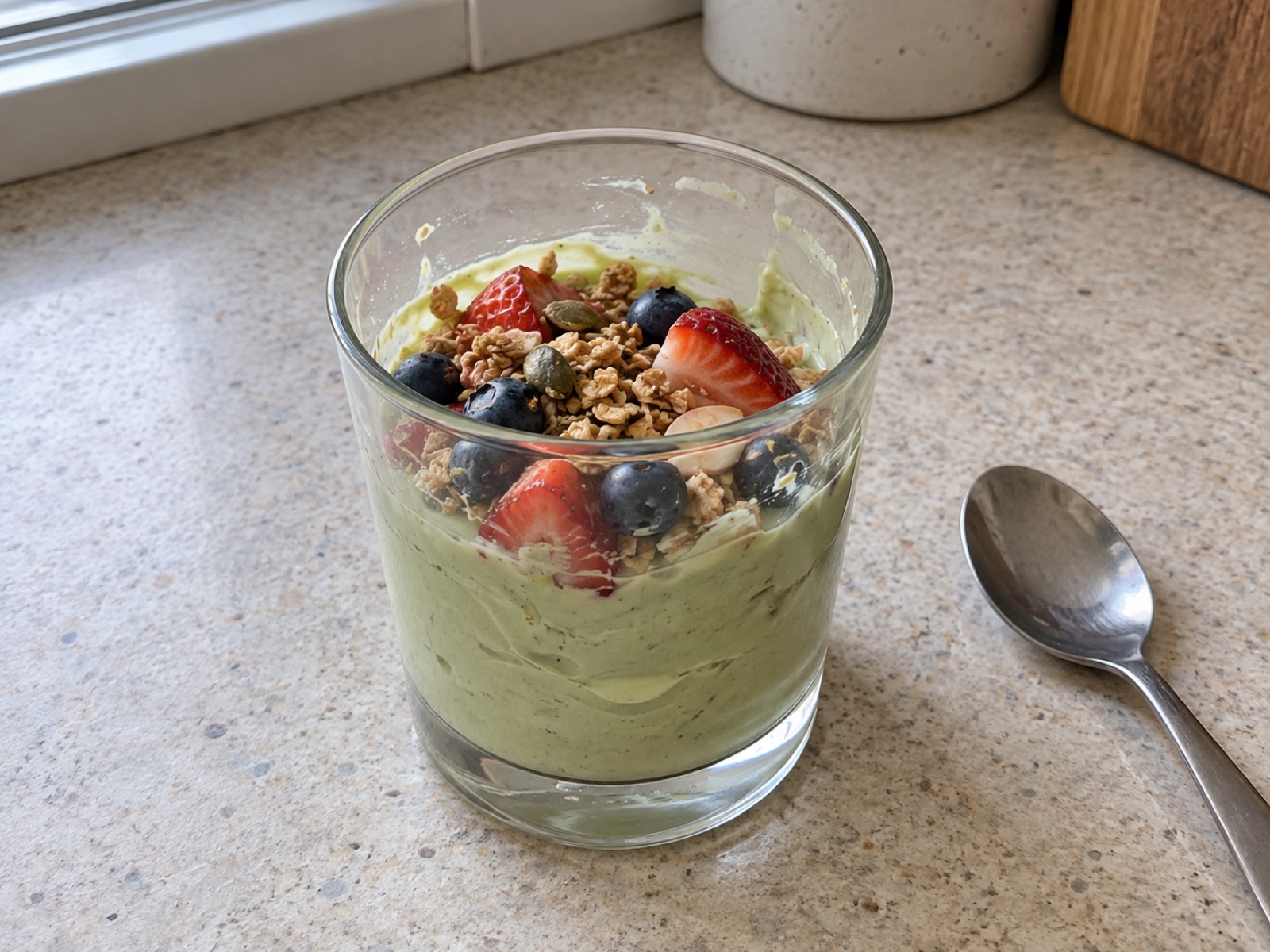
A bag of euglena powder from Ishigaki, a yogurt recipe on the package, and five minutes to make breakfast.
Vercel Labs shipped fx — a ~6MB, Zig-written coding agent that cold-starts in 10µs, speaks ACP, mounts MCP servers, and prints JSON. It's not a hosted service; it's a runtime you embed. Here's what it is, where I'd put it in my always-on harness, and how a large logistics operator would use it.
tmux is a 2007 terminal multiplexer that turns out to be the most native orchestration layer AI agents have: one session per agent, driven by any principal — human or model — with send-keys and capture-pane. No SDK, no plugin, no vendor lock-in; Claude, Codex, and OpenCode all speak it out of the box.
AI coding assistants confidently build the wrong thing when requirements live only in chat. OpenSpec adds a lightweight spec layer — explore, propose, build, archive — so you agree on what to build before any code is written, and the specs persist in your repo as history your agent can read back. Here's the mental model, a real change from a skills discovery portal, and where it earns its keep.
I'm moving off single-provider AI subscriptions toward a stack of parts — Eve for agents, Vercel AI Gateway as the primary model access and billing layer with no-markup provider pricing, and OpenCode Go kept as the fallback — and the enterprise version of that stack is the real product.
OpenCode's CLI is bigger than 'type opencode and start a session.' Headless runs, provider auth, model discovery, MCP wiring, session archaeology, cost stats, and upgrades — the ten commands that carry daily work, with the doc gaps called out where they bite.
Second harness migration in two months. The always-on agent on my Mac mini now runs OpenCode on $10/mo open models instead of Claude Code, reachable from my phone over my own Buzz relay instead of Telegram. The interesting part: the swap was one line, because the protocol — not the model — is the actual seam.
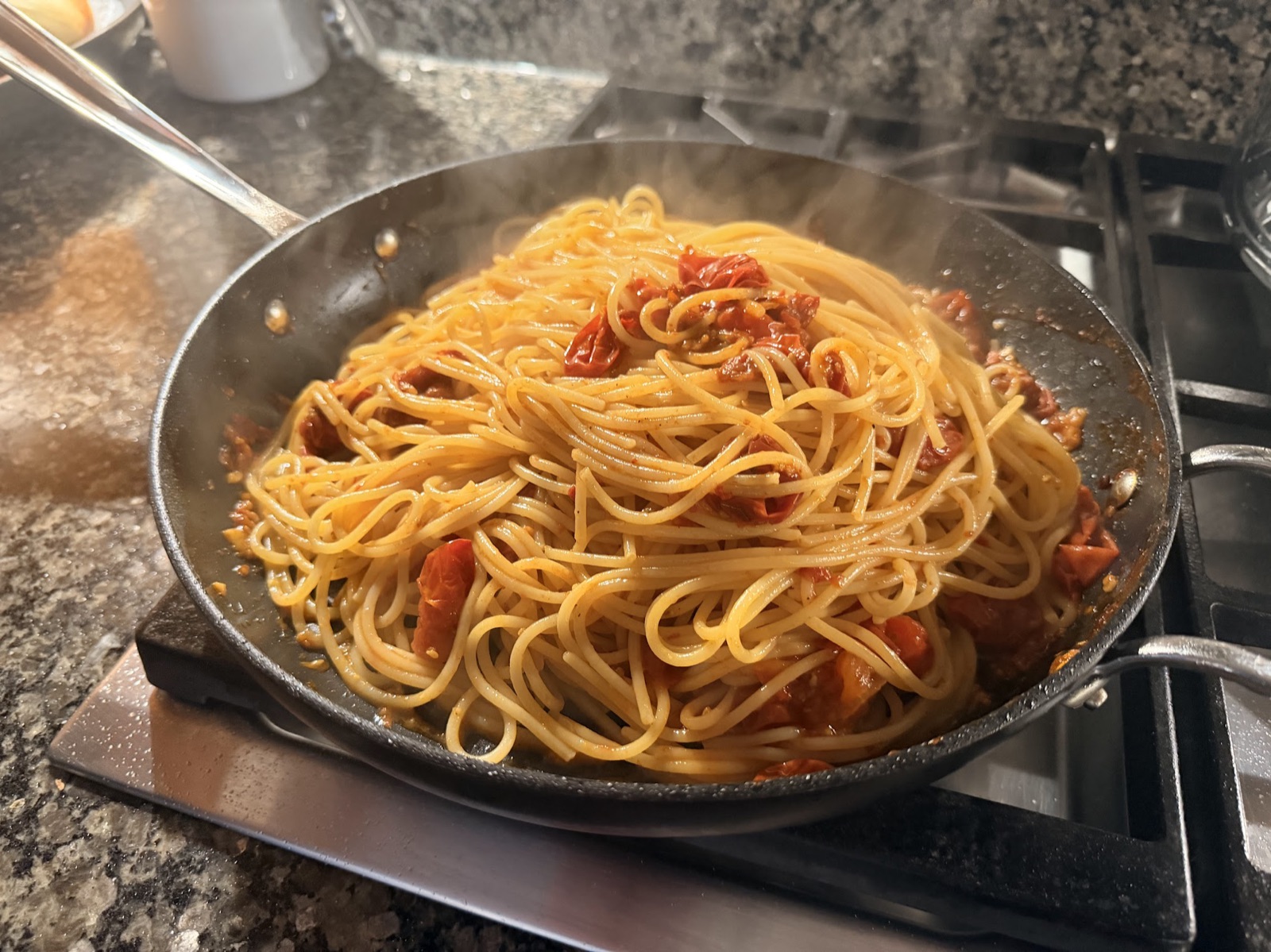
Blistered cherry tomatoes and garlic collapse into a full pasta sauce in twenty minutes — no peeling, no seeding, finished with butter and pasta water.
Anthropic deleted 80% of Claude Code's system prompt for Opus 5 with no measurable loss. They called it unhobbling. Here's what that means for your harness.
Block's open-source Nostr workspace puts people and agents on the same cryptographic footing — and lands at the end of a long chain of thinking about where always-on agent infrastructure should actually live.
A Skill is packaged know-how. An Agent is that know-how put to work autonomously. Subagents are where the work scales past what any single context can hold.
OpenRouter lets you pick a different model for every step in a pipeline. Here's how to use Fable for planning and Sonnet for execution — with runnable TypeScript.
Instead of reading someone else's leaderboard, build a small set of tasks you actually care about and run them yourself every time a new model drops — Simon Willison's SVG pelican test, but for code.
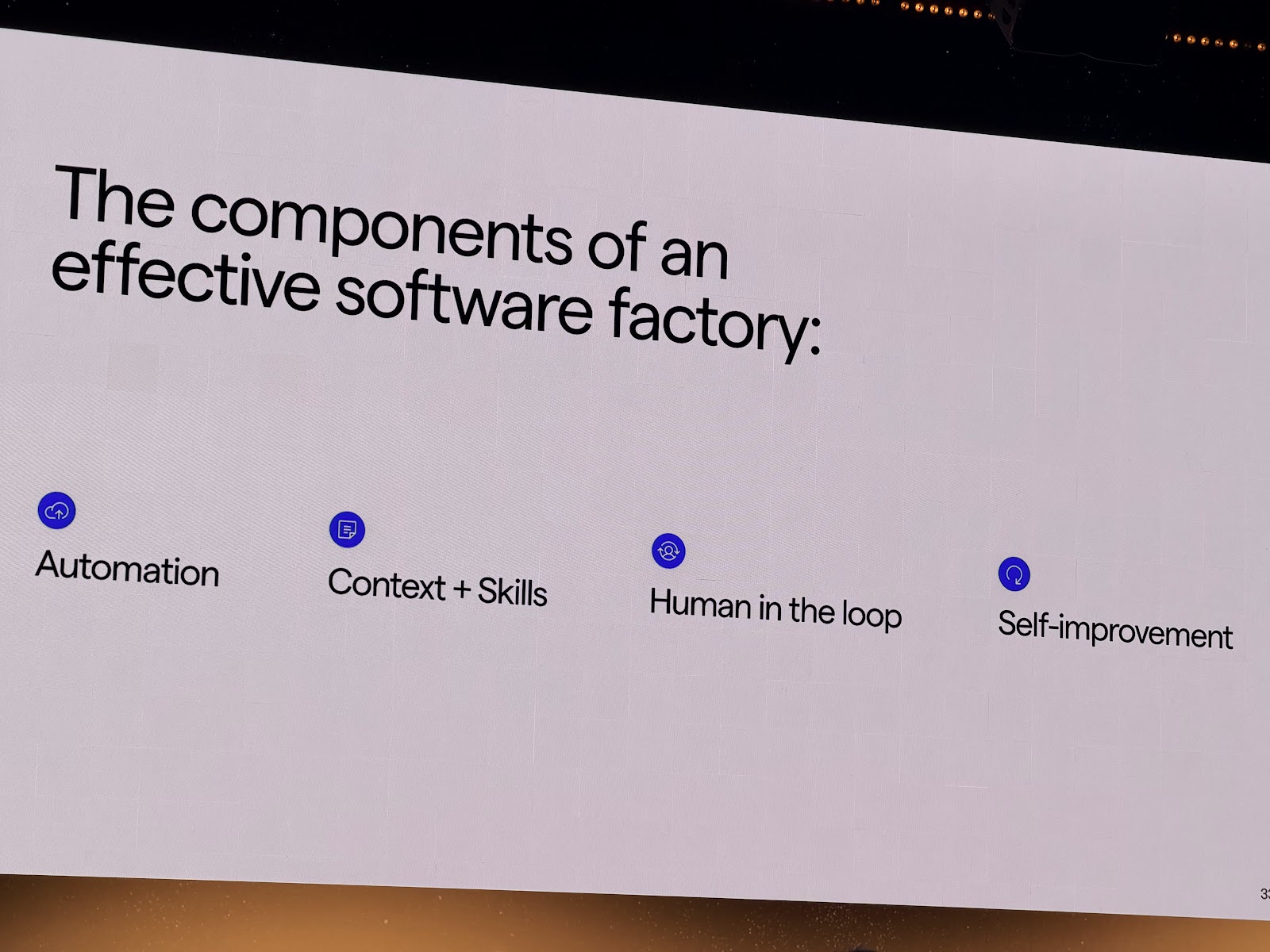
In March I wrote the theory. Zach from Warp shipped the implementation. Here's how a working cloud factory maps to the architecture I laid out.
Most evals talk is about grading model output. Skill evals grade a different thing — the SKILL.md artifact you wrote — with real numbers from SkillsBench to back it up.
A small Python voice agent that remembers the thread, streams Claude's reply to the terminal, and speaks it aloud through ElevenLabs — no ffmpeg, just afplay.
Define your agent in a directory, deploy it to Vercel's cloud with one command, and access it from anywhere. Months in, Eve has grown a platform around that model — capability registry, sandbox, subagents, agent-to-agent calls, MCP, evals — and my agent is still live, driven remotely from the eve TUI.
A Skill is reusable know-how Claude reaches for on its own. A Workflow is an explicit pipeline you wire up and control. Here's the difference, what you can build with each, and when to reach for which.

Three real ingredients — pecorino, pepper, pasta water — plus a knob of butter for insurance, tossed into a glossy sauce that never breaks.

How I worked with Claude through five rounds of image generation to design a logo for my Japanese learning app — and ended up inventing a kanji that hides a smile.
A plain-English walkthrough for setting up your own always-on AI assistant on a Mac mini — OpenClaw, Google Gemini, and Tailscale — written for a first-timer.
I love OpenClaw. I hate that it doesn't run on my Claude Pro subscription. Turns out Claude Code, with the Telegram channels plugin and one CLAUDE.md, is the same harness — minus the daemon, the API bill, and the second LLM provider. Here's the actual recipe, ported from a hotel in Tokyo to a Mac mini in Chicago in forty minutes.

A curated collection of high-quality skills for people who don't code — and an experiment in what actually makes a skill good.
A month that turned the "agentic turn" from talking point to shipping product. Google I/O, Opus 4.8, a $65B raise, and the infrastructure race to run your agents 24/7.

A five-ingredient Japanese-style spaghetti — butter, tamari, and parmesan tossed with hot pasta and finished with green onion. The wafu pasta I kept eyeing in Tokyo, made at home in ten minutes.
Microsoft's SkillOpt is the first paper to treat agent skill files as trainable parameters — propose an edit, evaluate on held-out examples, accept only on strict improvement. Here's what it found and what it means for teams building with agents.
OpenHuman is a desktop-first agentic assistant with persistent memory, 118+ OAuth integrations, and a token compression layer. Here's what it does and how it fits alongside an existing Claude Code harness.
Karpathy's four rules for agentic coding are worth reading — having them written down in a shared format is a useful starting point for anyone building with Claude Code.
How I moved magerbot's brain from @-imported markdown files into gbrain's Postgres-native semantic memory layer — what broke, what the gotcha was, and why the context model is fundamentally better.

Hanshin Tigers vs. Chunichi Dragons at Koshien Stadium — the right-field cheering section, uriko beer vendors, 7th-inning balloons, and a walk-off home run to win it.
阪神タイガース vs 中日ドラゴンズ @甲子園 — ライト側の応援席、売り子さんのビール、7回裏の風船、そしてサヨナラホームランで終わった忘れられない夜。
Garry Tan open-sourced gbrain — a self-wiring knowledge graph for AI agents. Here's what it is, why we moved to it, and exactly how we did the migration from flat markdown files.

We missed the original ticket sale, got rescued by a tour, and spent an afternoon learning how much more fun sumo is when someone helps you understand what you're watching.
チケット争奪戦に出遅れ、ツアーに救われ、解説付きで観ると相撲がいかに面白いかを実感した一日。
I built a 200-line harness called conseiller to test Anthropic's new advisor tool — a fast executor model that consults a stronger model mid-generation. Two days later Anthropic shipped Claude Managed Agents, Multi-agent Orchestration, Dreams, Routines, and Remote Agents. Here's both halves: what I built and what they shipped, and how the pieces fit together into something a lot like OpenClaw.

I built a Go Bubble Tea starter for local model servers, used Gemma 4 through llama.cpp, and split the TUI into llocal.

I'd been seeing chatter about Hermes Agent from Nous Research, so I installed it locally and put it to work on this blog. Notes on the pitch, the SOUL.md system, and what it actually felt like to use.
A practical explainer for both developers and everyday Claude users: what prompt caching is, what gets reused, what breaks it, and how to make long sessions cheaper and faster.
A simple set of habits I use to keep long AI coding sessions from getting bloated: better one-shot prompts, matching model and thinking level to the job, understanding cache behavior, and using cheaper orchestrators when it makes sense.
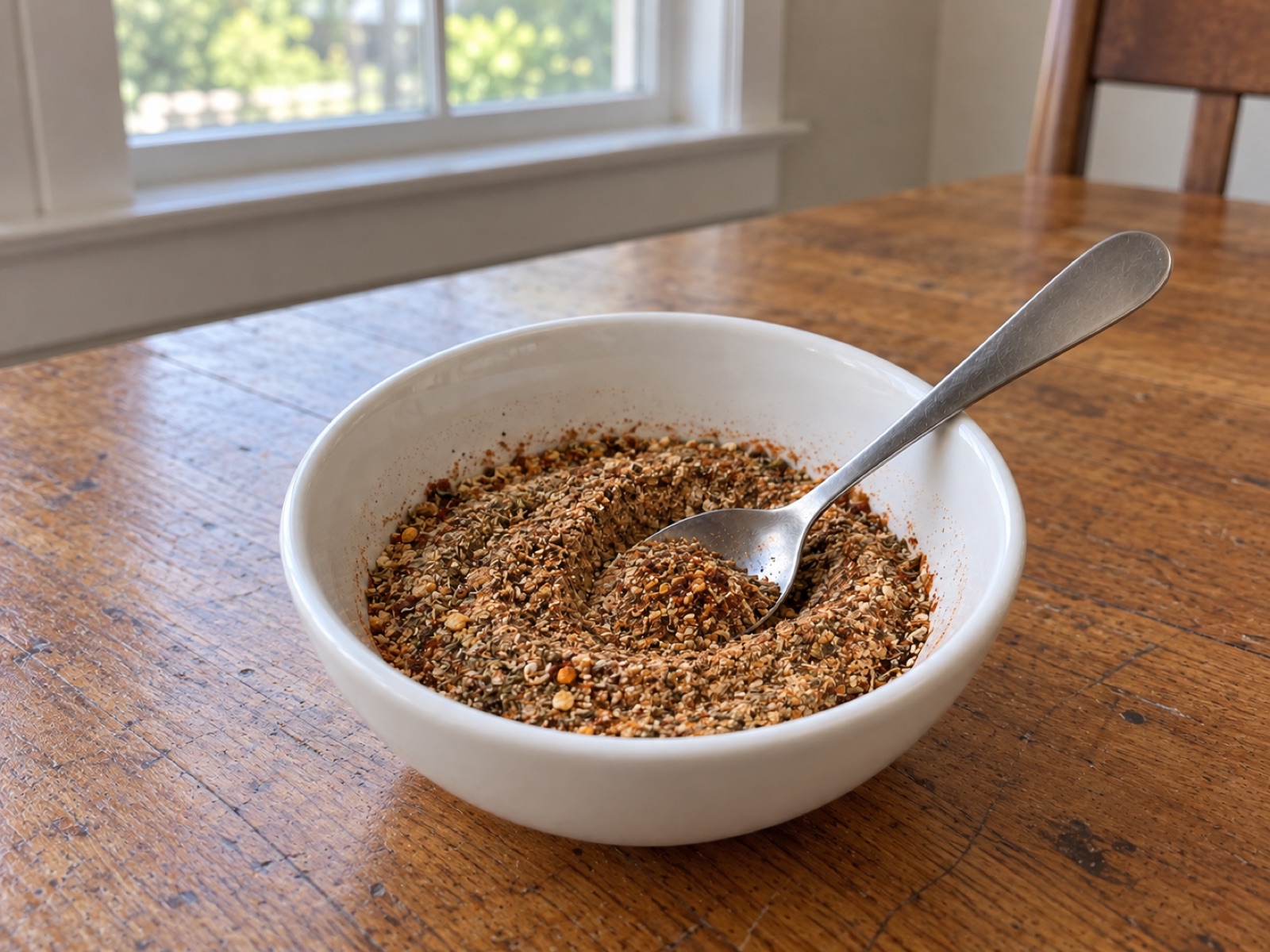
A fennel-forward Italian spice blend that turns any ground meat into proper sausage
I reverse engineered several of my own sites into DESIGN.md files to see how much of a design system can actually be described, and why writing down design intent might be more reusable than it looks.
A practical tour of Claude Code flags that are easy to miss but genuinely useful once you move past the default interactive loop.

A bright, high-impact rice finished with garlic, lots of cilantro, and fresh lime juice added after cooking.
Anthropic shutting down OAuth-based Claude Code access forced my hand. Here's how I moved OpenClaw to OpenAI Codex, why Codex makes more sense inside a real agent harness than it did on its own, and why brainpack changes the switching cost.
The Y Combinator CEO open-sourced his entire Claude Code workflow. Here are the 10 skills worth knowing — including why office-hours should be the first thing you run on any new idea.
I tested Anthropic's official Claude plugins for knowledge workers. Here are the 10 that deliver the most value for PMs, engineers, sales teams, and operators.

I used Gemini to write a Loooom skill, installed it in Claude Code, and got a full audio analysis report on a 37-second piano recording of Espresso. Turns out AIs teaching AIs new senses is a surprisingly powerful pattern.
I rebuilt the beatbrain backend in an afternoon. Parallel fetching, Firestore caching, and a podcast discovery engine that indexes 100+ categories. Here's the whole story.
I built a Japanese learning site in a morning because I wanted something I could pull up on my phone and just look at characters. Here's how Gemini wrote the prompt and magerbot built the whole thing.
Dogfooding Karpathy's autoresearch pattern on my own skill marketplace. How I'm using evals and tight feedback loops to make the learn-anything skill measurably better.
Claude Code's new channels feature lets you push messages from Telegram and Discord into a running session. Here's how it works, why mobile access changes everything, and how I'd wire it into my projects.
Everyone's talking about building a software factory. Here's where the term came from and how engineers can start thinking about building one.

12 hours before my bracket was due, I used Gemma-3-27b to generate unique insights for all 32 first-round games. Here's what the AI found — and what it got wrong.

4lb corned beef, mini carrots, cabbage, potatoes — braised low and slow in a covered Dutch oven. The St. Patrick's Day comfort food move.
LangChain just dropped Open SWE — an open-source framework for building internal coding agents like Stripe's Minions, Ramp's Inspect, and Coinbase's Cloudbot. Here's what it is, how it works, and how to customize it.

3 ripe bananas, brown sugar, walnuts, and a scoop of plain yogurt — baked at 325° convection for the moistest loaf you'll make.
mager.co is no longer just a blog. It's a corporation. Here's how I staffed it with 145 specialized AI agents using agency-agents and OpenClaw.
Andrej Karpathy open-sourced a loop where AI agents run experiments, measure results, and keep what works — all while you sleep. Here's how the pattern works and how I'm applying it beyond LLM training.

The Claude Agent SDK gives you the same engine that powers Claude Code, fully programmable. Here's how to build a custom TUI with it in 10 minutes.
I built an MCP server for Loooom so AI agents can search, explore, and install Claude Code skills without ever leaving their context.
How a weekend contribution to OpenClaw replaced my autossh aliases with `openclaw tunnel up/down/status` — and what I learned reading a real codebase to do it right.
Stop stuffing your prompts. OpenViking gives AI agents a filesystem-native brain — tiered, retrievable, self-evolving context at 91% lower token cost.
Eighty years after Asimov's Three Laws of Robotics debuted, we're building the future he imagined—without the safeguards. What the 'Father of Robotics' got right, where his vision fails, and why 2026's AI alignment problem is harder than fiction.
I kept fixing the same SEO issues by hand — missing keywords, empty hero images, weak descriptions. So I built a Claude Code skill that audits any blog's frontmatter and runs quality evals.
LangGraph is the production framework for complex agent workflows. Here's how to build a real-time chat system with persistent state, human-in-the-loop, and multi-agent orchestration.
LangChain just shipped DeepAgents — a batteries-included agent harness that brings Claude Code's magic to any model. Here's your 10-minute deep dive.
Most websites beg search engines for attention. I flipped it — Loooom is machine-first, humans secondary. Here's what that actually means in practice.
Part 2 of the prompt verification series. We covered output quality testing with promptfoo — now we tackle the harder problem: does your skill even fire?
A deep dive into the two most powerful tools for building production-grade multi-agent systems — LangGraph's graph-based orchestration and Anthropic's Claude Agent SDK (formerly Claude Code SDK).
Stop re-prompting every AI session. One file. Every AI knows you — and your agents. Introducing ME.md on Loooom.
I run two AI agents — magerbot handles code and ops, genny runs my life. Inspired by the Agent Communication Protocol, here's how I got them to actually talk to each other. Now with a full TUI built on the Claude Agent SDK.

I built a second AI agent to manage the parts of my life that code can't fix — exercise, nutrition, travel, and living to 100.

Three ingredients, one sheet pan, and a blender. Roasted cauliflower and a whole head of garlic blended into a velvety, dairy-free soup that somehow tastes indulgent.

A whole chicken browned on the stovetop, then slow-roasted in a Dutch oven over turmeric-saffron basmati rice. Cozy, hands-off, and spectacular for a Sunday.
Stop shipping AI features blind. Here's everything you need to know about unit testing prompts — from five-minute quick starts to CI/CD pipelines, agent workflow testing, and building a regression suite that actually catches breakage.
Spec compliance tells you if a skill is readable. Evals tell you if it's actually good. Here's how we added a public quality score to every Loooom plugin.

I'm going to Japan in 2 months. Instead of paying for another app, I built a Japanese learning plugin for Claude Code and used it to learn conversational Japanese for free — using Claude Pro I already pay for.

How to run OpenClaw on a Mac Mini 24/7, lock it down with Tailscale, and load your agent's brain with brainpack — so your laptop can reach it from anywhere on your tailnet.
Your AI agent has memories, skills, and a personality. Here's how to pack it all up and ship it to a new machine — whether you're the human or the agent reading this.

How I used the pi-mono toolkit — the same engine behind OpenClaw — to build a free, terminal-based music friend that reads the beatbrain discover feed and recommends what to listen to.

A dead-simple one-dish Greek chicken casserole with orzo, feta, spinach, broccoli, sautéed onion, and lemon. Minimal cleanup, maximum flavor.

Italian sausage, tiny sea shape pasta, crushed tomatoes, kale, and a Parmesan rind simmered into a brothy, deeply savory one-pot soup.
I analyzed three of my projects, interviewed myself about what makes a UI hot, and packaged it all into a reusable skill for Claude Code.

A practical guide to building a multi-agent AI system with OpenClaw. One principal agent, multiple specialists, shared skills, and the workspace files that give them personality. Includes real examples from my blog, sports app, and music discovery projects.

A cozy Italian-American casserole featuring shredded rotisserie chicken, San Marzano tomatoes, peppers, and mushrooms topped with melted mozzarella.

A slightly spicy white chile with green chiles, chicken, corn, and hominy.

A quick and flavorful green curry with chicken and broccoli served over rice - simple weeknight comfort food.

A delicious fusion of Mexican flavors layered like lasagna, featuring shredded rotisserie chicken, corn tortillas, green & red chile sauce, and plenty of cheese.

A practical guide to building two-stage AI recommendations: use embeddings for fast retrieval, then small LLMs like Gemma 3 for natural language explanations. The real skill? Curating context, not writing algorithms.
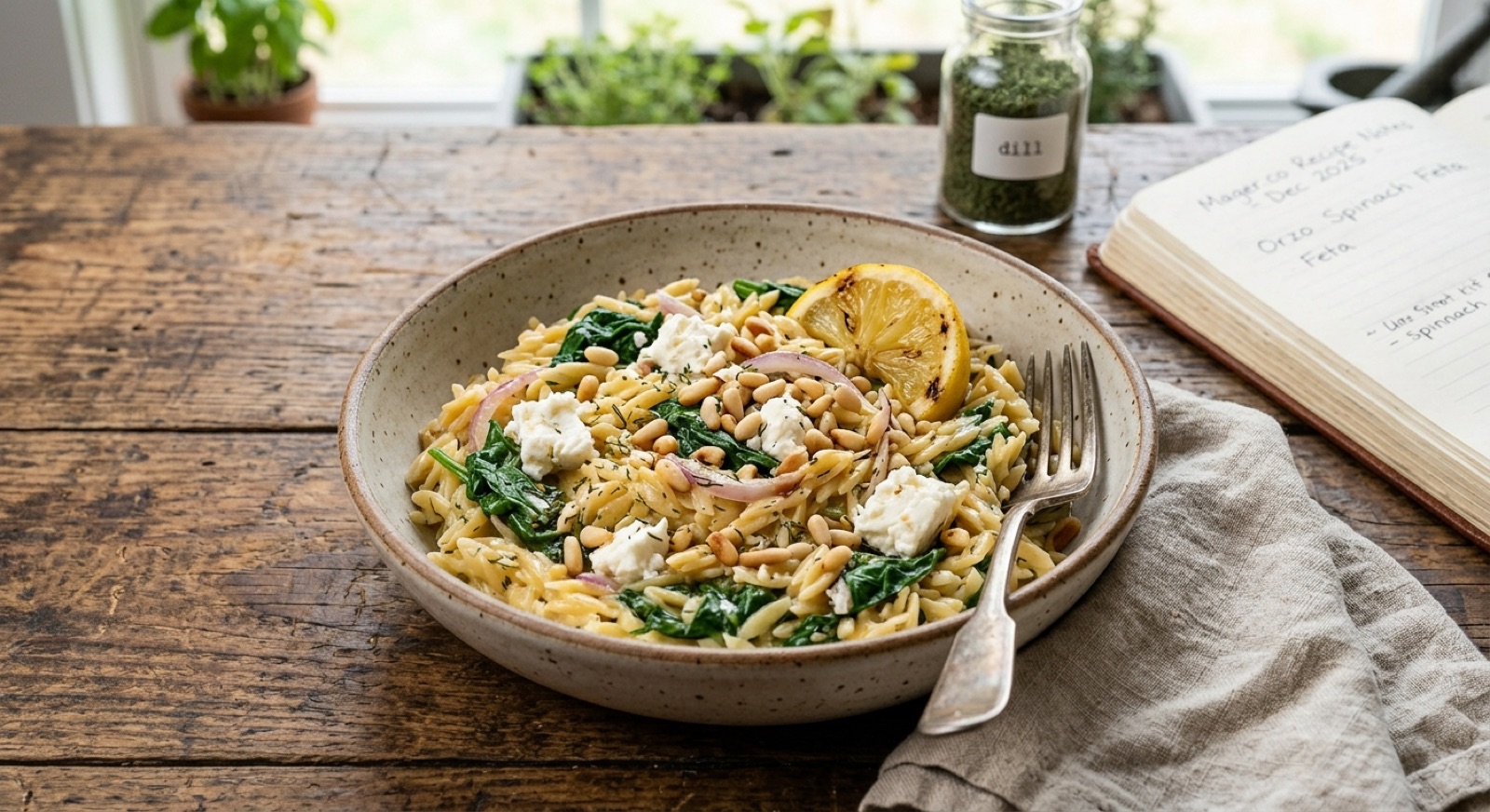
A quick, one-pan meal featuring orzo, spinach, peas, and feta. Similar to spanakorizo, this is deeply satisfying but still on the lighter side thanks to all those vegetables.

A rich and creamy broccoli cheddar soup with sharp cheddar cheese, perfect for a comforting meal on a cold day.

A hearty cottage pie made with ground beef, following Alton Brown's method. Perfect comfort food for a cold day.

beatbrain is a social music discovery app built on Go Fx and Firestore. Find hot new releases, share your favorites, and see what your friends are actually listening to — Spotify meets Last.fm, built from scratch.

A beautifully tender pork roast, slow-cooked in savory aromatics with an incredible crust. Works great with pork shoulder or bone-in pork chops.

A light, comforting soup packed with vibrant flavor and healthy ingredients like butternut squash and lentils. It delivers all the richness of a curry without being heavy.

A lighter, bright and nutty take on classic meatballs with chicken and pistachios.

A hearty and warming turkey chili with a deep, smoky flavor from chimayo pepper, perfect for a cozy dinner.

A reverse sear technique for perfectly crispy skin and juicy meat, every time.

A foolproof recipe for a perfect medium-rare Tomahawk steak. Seasoned overnight with Holy Cow BBQ Rub, seared hot, and finished with indirect heat on the grill.

A lighter, summery lasagna using grilled zucchini instead of noodles, with mozzarella, ricotta, and a simple tomato sauce. Optionally spicy with Calabrian chilies.

Incredibly tender, flavorful pulled pork made easy in a Dutch oven using a sear-first, low-and-slow braising method.

A taste of Italy anytime, these meatballs will steal the show at any special occasion or a Tuesday.
My staple mac & cheese, just a few pantry ingredients and a lot of comfort.

A creamy and indulgent potato casserole, perfect for holiday gatherings, that will leave you and your guests wanting more every year.

A staple soup that warms the heart and calms the soul.

A delicious, healthy soup that will reset your system.

One of the best soups to kick off the autumn season, a variation that uses chicken sausage

I had the incredible opportunity to explore a town in Sicily where my ancestors once resided and engage with the local officials.
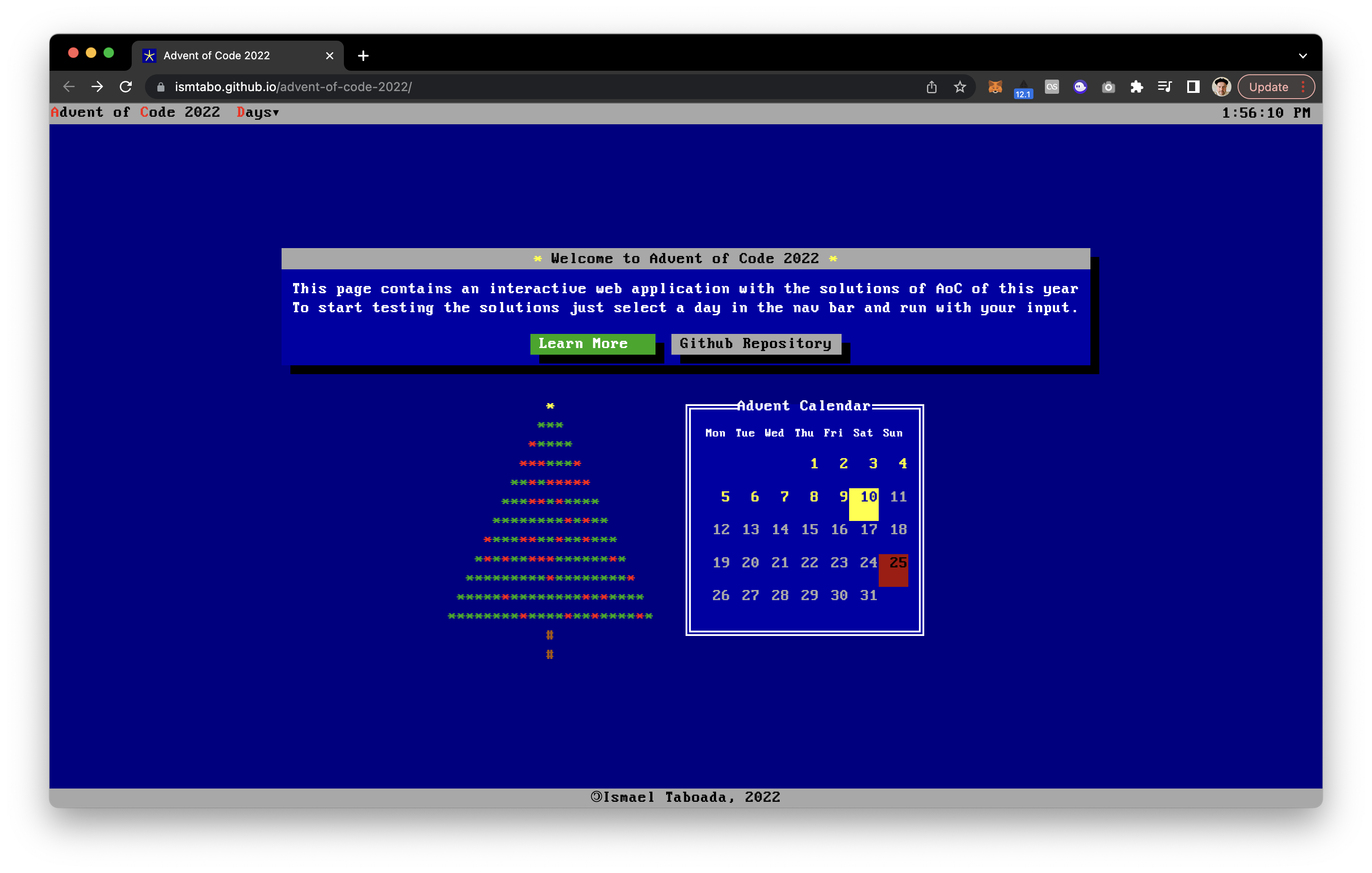
Instead of just using a single language, I wanted to solve the puzzle in a language I know, then lurk the internet for the solution in another language each day.

It's not Thanksgiving without the stuffing...

Our first foray into outdoor plants, flowers, and herbs in Chicago.
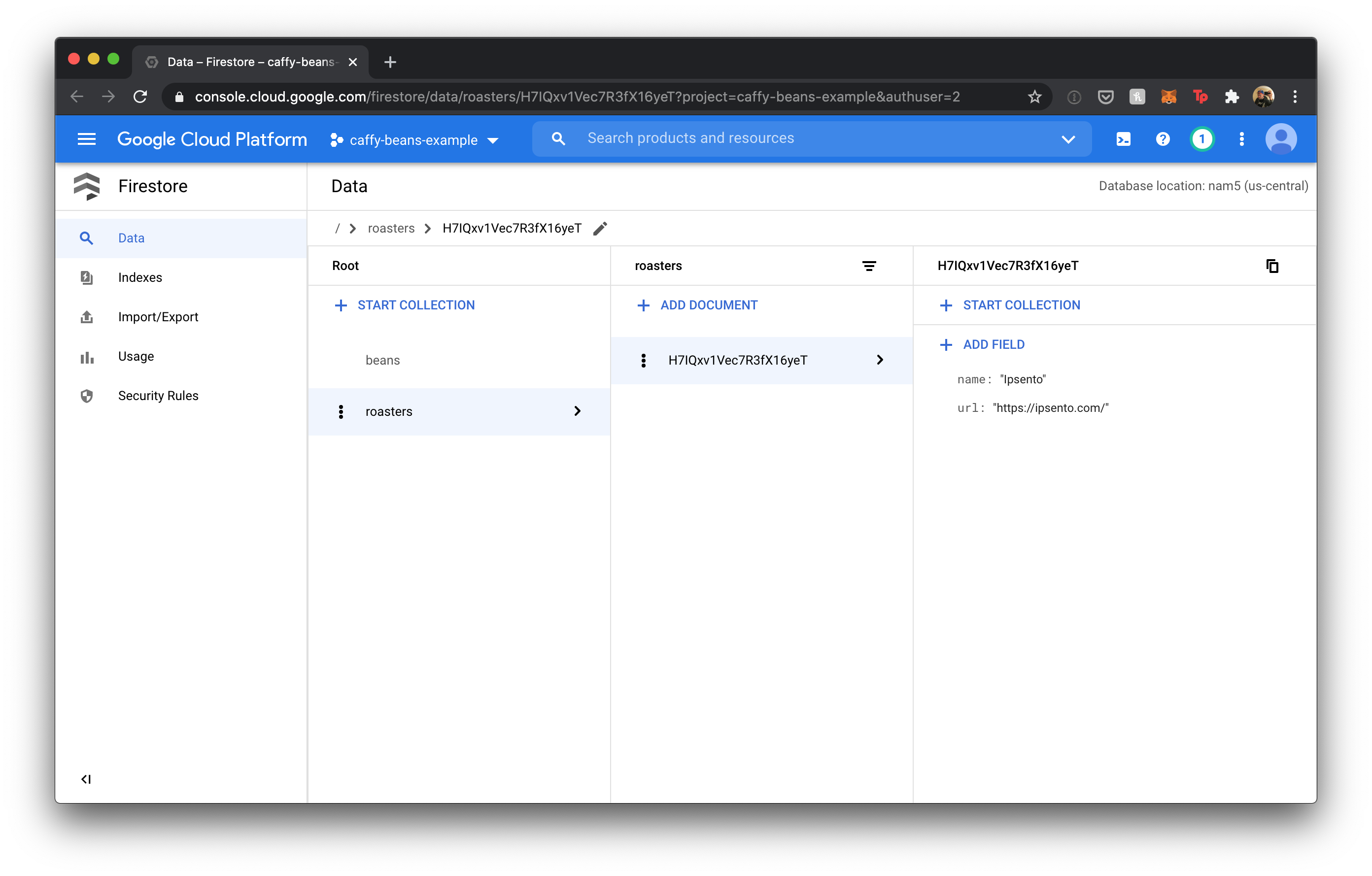
How I used Go Fx dependency injection and Firestore to build an open coffee bean database and REST API from scratch — full walkthrough from blank main.go to deployed app.

One of my go-to "last meals" that you need to try before you die.

I stole this recipe from the November 2019 Bon Appetit. This expertly spiced & glazed turkey is cut into pieces, dry-rubbed overnight, and glazed continuously during it's slow cook. It's still the best turkey I've ever had.

Your new go-to cookie recipe, great for quarantining.
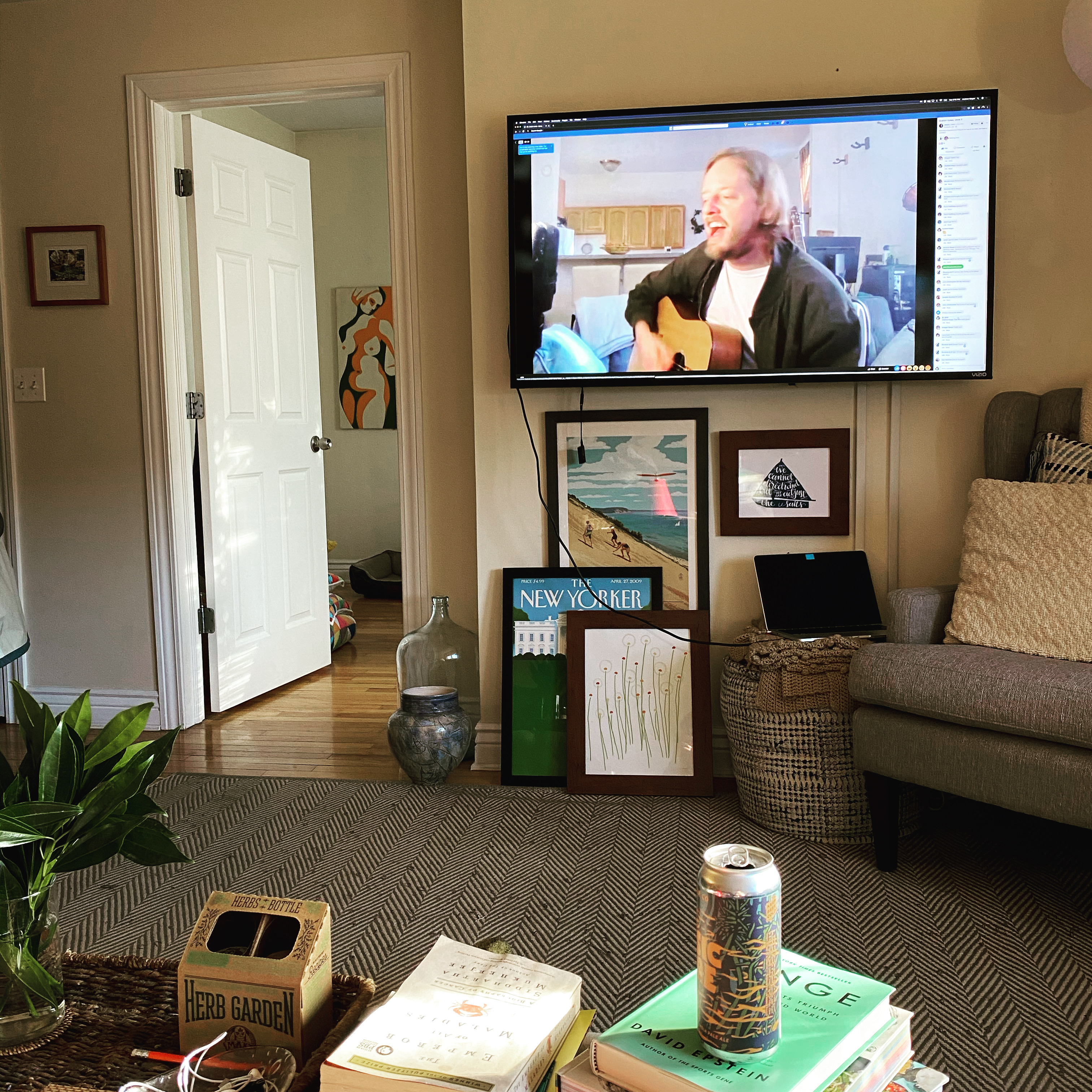
March 2020: What I'm Doing
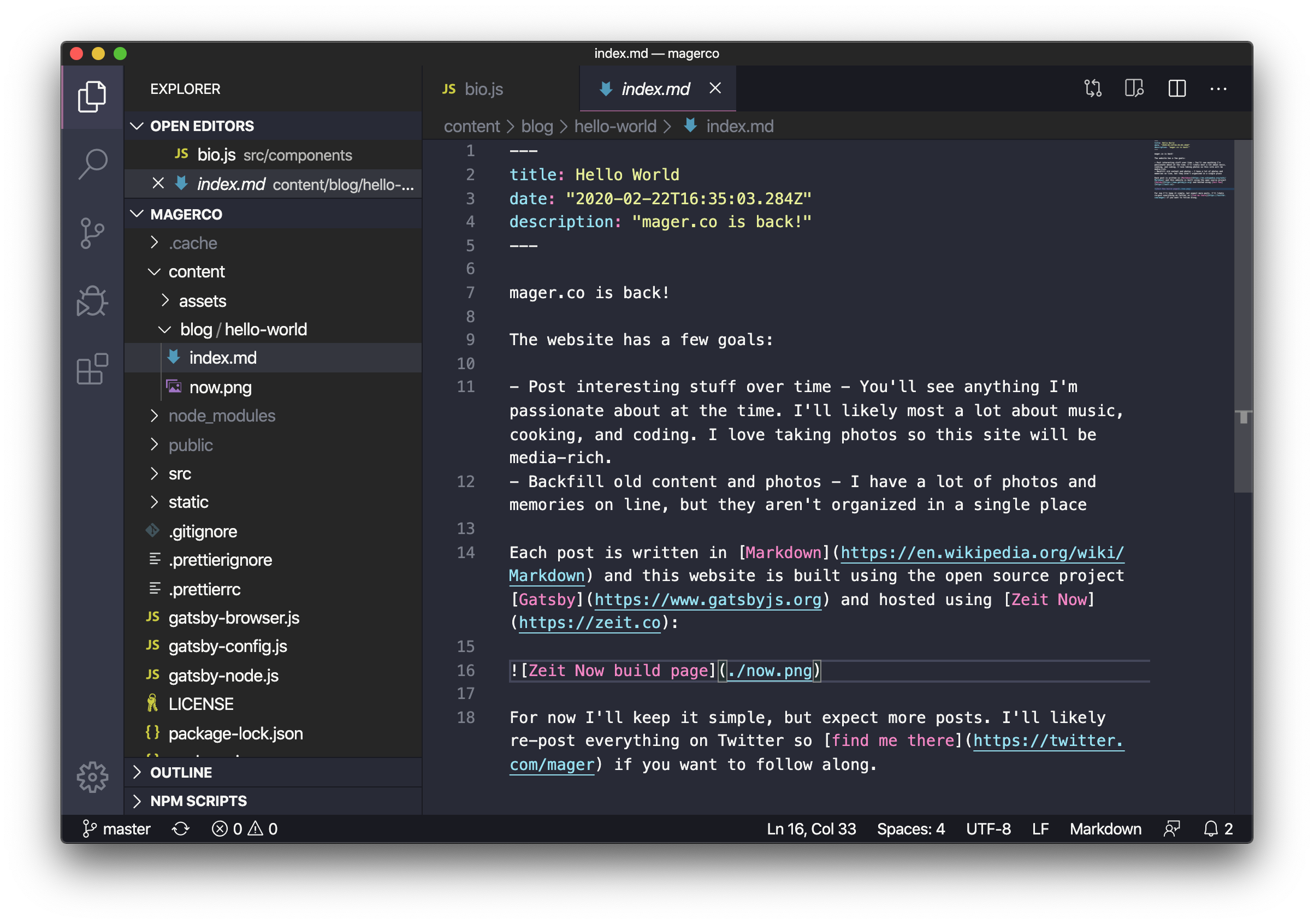
mager.co is back after years away. Here's what I'm building, what I'm obsessing over, and why this time it sticks.
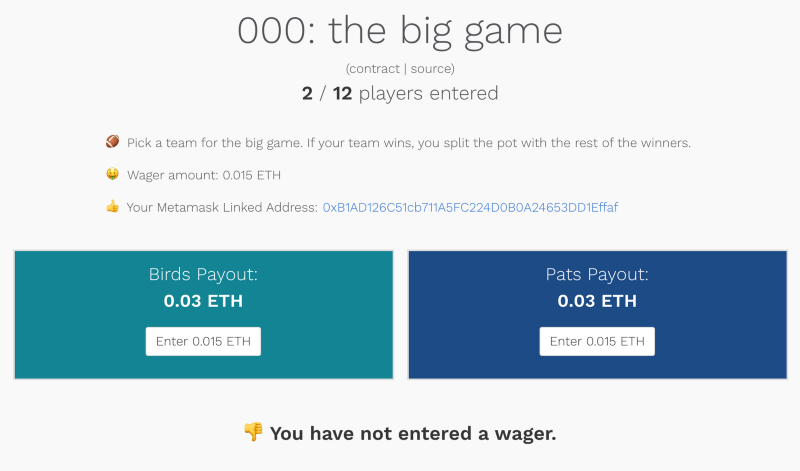
My explorations into decentralized apps and blockchain.

Announcing my move from Ning to SimpleGeo to help build the new San Francisco office.

Starting at Ning in Palo Alto, learning Git, and commuting via Caltrain.

Looking back on my two years at CNET/BNET before moving on to the next chapter.

How registering lespaul.com as a kid led to a cease and desist—and a Black Beauty guitar.
A set of resolutions for the new year, from health and patience to cooking more and strengthening BNET.